
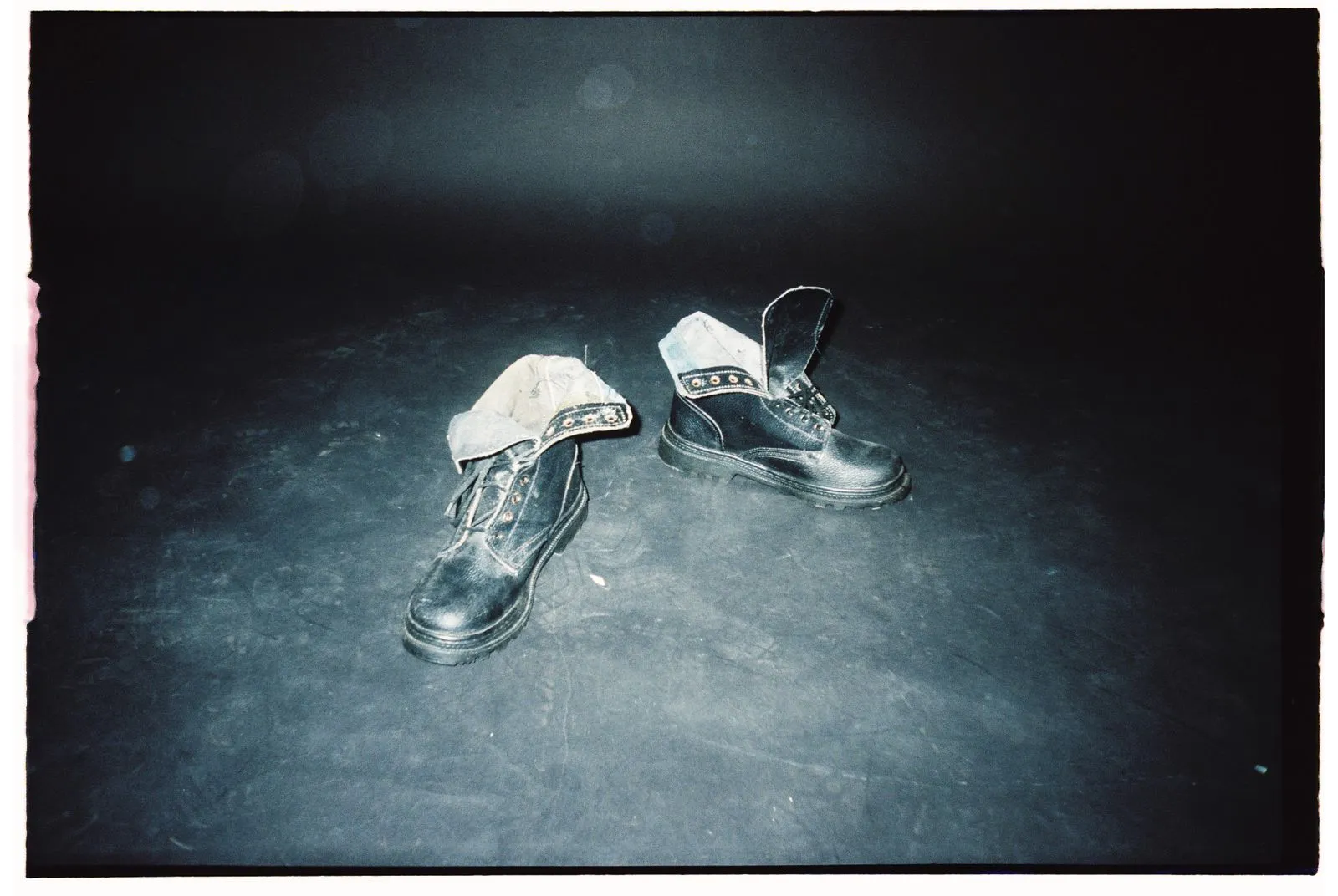
Boot soles wear gradually, so it can be easy to miss the point when they stop supporting you properly. Check them regularly for thinning, uneven wear, cracks, and areas that are starting to separate from the upper. Acting before the sole wears through may leave more repair options. The right choice depends on the boot’s construction and the condition of the upper, so a cobbler can assess whether resoling is practical.
Check for thinning and uneven wear
Look at the soles from underneath and compare the left boot with the right. If the tread has nearly disappeared, the sole feels noticeably thinner, or you can see a smooth patch forming, grip may be reduced. Pay particular attention to the heel and the ball of the foot, where repeated contact with the ground often wears material fastest.
Uneven wear can also be a useful warning. A heel worn down on one side or a sole that slopes may affect how the boot sits and feels. Some wear is normal, but deep differences between boots deserve attention. If you notice a change in comfort or stability, have the pair checked rather than waiting for the sole to wear through.
Watch for cracks and separation
Flex the boot gently and inspect the sole for cracks, splits, or brittle-looking areas. Small surface marks do not always mean the sole has failed, but a crack that opens as the boot bends can let in water and may worsen with use. Check around the edges too, where the sole joins the upper.
If the sole is lifting or separating, avoid pulling at it or relying on household glue. The right repair depends on how the boot is made and whether the surrounding material remains sound. A repair professional can tell you whether the sole can be reattached, needs replacing, or has caused damage that calls for a different approach.
Consider the boot’s overall condition
Resoling is usually worth considering when the upper still fits well and remains in good condition, while the sole is the main problem. Look for torn seams, damaged eyelets, cracked leather, or a lining that has worn through. These issues do not automatically rule out repair, but they affect the work involved and whether the finished boot will serve you comfortably.
Construction matters as well. Some boots are designed so a cobbler can replace the sole; others use methods or materials that make a full replacement difficult. Bring both boots for an assessment, even if only one looks worn. A professional can explain the available repair, likely limitations, and whether resoling makes sense for that particular pair.
Get advice before the sole wears through
A hole in the sole, exposed inner layers, or water coming through are clear signs to stop putting off an inspection. By then, moisture and friction may have affected parts beneath the sole. Earlier advice can help preserve the boot’s structure and give the repairer more choices, especially if the upper is still in good shape.
Until you can arrange an assessment, keep the boots clean and dry, and avoid wearing them in conditions that could worsen a split or loose sole. Do not trim worn material yourself. London Soleworks can inspect your boots and explain whether resoling or another repair is suitable.
Check your boots for thinning, uneven heels, cracks, and lifting edges, and pay attention to changes in grip or comfort. A worn sole does not automatically mean the boots are beyond repair; the upper and construction matter too. If you are unsure, arrange a professional assessment before the sole wears through.